


“Which pearl is the best?”
Almost everyone asks it — and it deserves a better answer than most people get. There is no single best pearl. There is only the pearl that suits you, chosen for the right reasons. If you’re unsure where to start, understanding why pearl prices vary so widely will immediately clarify what actually matters — and what doesn’t.
What You Are Actually Choosing
Most guides begin with types: Akoya, freshwater, South Sea, Tahitian. That’s not where the decision starts. You are choosing three things:
- Look — how the pearl interacts with light (luster) and how clean its surface is
- Character — perfect symmetry or natural irregularity
- Use — how and when you will actually wear it
Everything else follows from those three. If you’ve come across terms like “AAA quality,” it’s worth understanding why pearl grading labels are often misleading before relying on them.
Start With How You Will Wear Them
Choosing based on appearance alone often leads to something beautiful that rarely gets worn. Decide first:
- Everyday wear: smaller sizes, versatile pieces — explore Akoya pearls or freshwater pearls
- Statement pieces: larger pearls with stronger presence — see South Sea or Tahitian pearls
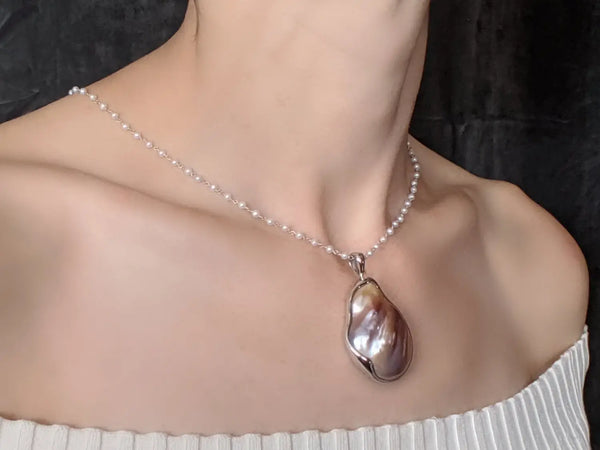
- Personal expression: irregular shapes and individuality — browse baroque pearls
A pearl should fit your life, not wait for an occasion.
Then Decide on Character
Round, uniform pearls are classic — refined, upscale, never casual. Baroque pearls feel individual, less predictable, more modern. Both are valid choices, for different reasons, and they communicate very different things. If you’re drawn to irregular shapes, you may find Keshi pearls more interesting than traditional round pearls.
Jewelry Type Matters More Than People Think
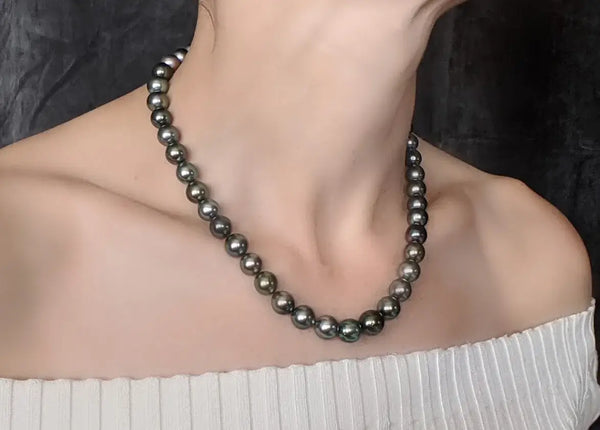
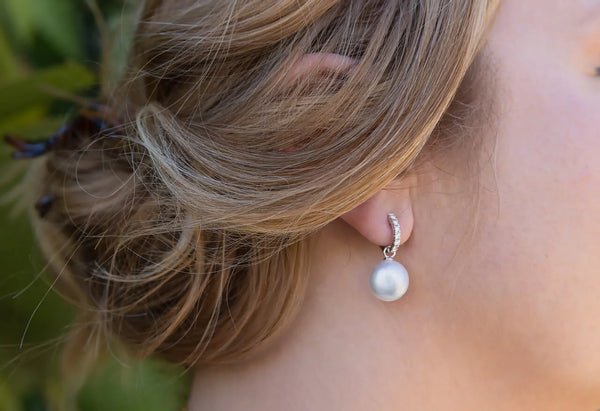
The same pearl reads differently depending on how it is worn. Strands emphasize harmony and continuity — matching matters most. Pendants put the individual pearl on display, making its quality the central point. Earrings frame the face, where proportion and light reflection carry the most weight. The format is part of the decision, not an afterthought.
What “Best Quality” Actually Means
Quality in pearls is not a label. It is a combination of factors — and one matters more than the rest: Luster. A pearl with strong luster has depth and brightness; a pearl without it looks flat regardless of its other qualities. After luster:
- Surface (clean vs marked)
- Shape (intentional, not accidental)
- Color (rare and complex vs common)
- Matching (for strands and pairs)
Size alone does not make a pearl valuable. And perfection, in pearls, is often less interesting than character. For a deeper look at what actually drives pearl value, here’s how the factors stack up against each other.
The Question Worth Asking Instead
Not “What is the best pearl?” — but “Which pearl will I actually wear, and still appreciate over time?” That question leads to better decisions. If you’re still figuring out why you want pearls in the first place, this might help clarify it.
A More Reliable Way to Choose
- Choose how you will wear it
- Choose the character that feels natural to you
- Prioritize luster over everything else
- Ignore marketing labels that try to simplify complexity
Final Thought
Pearls are subtle, personal, and often misunderstood. The right one rarely announces itself — it simply fits, and you know it when you see it.
Before you buy, it’s worth knowing the mistakes most people make when choosing pearls — and how to avoid them. If you’re ready to choose, view all pearl jewelry. And if pearl size is still confusing, here’s how it actually compares.