


Pearl farming is one of the few forms of jewelry production that actively benefits the environment it depends on. That’s not a marketing claim — it’s a consequence of how pearls are made.
Saltwater mollusks can only produce quality pearls in clean, nutrient-rich water. A farm producing good pearls is, almost by definition, operating in a healthy marine environment. The two are inseparable.
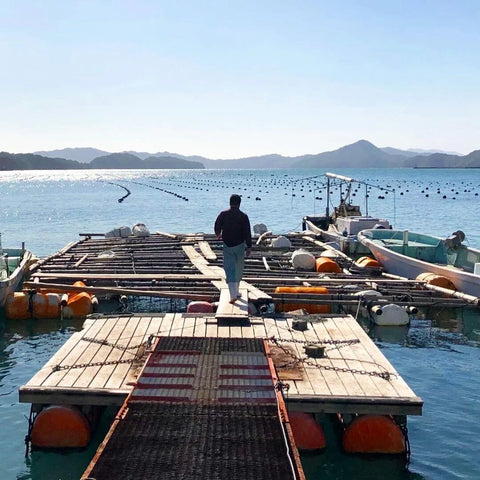
What pearl farms actually do to the water around them
Pearl farms don’t just avoid damaging their environment — they tend to improve it. Fish and other organisms gather around the floating racks, feeding on what grows on the oyster shells. The farm becomes a habitat. Biodiversity increases around it rather than declining.
Responsible farmers go further. To keep mollusks healthy and parasite-free without industrial intervention, some transport them to shallow lagoons where fish clean them naturally. It’s slower and more labor-intensive than pressure-hosing, but it’s also gentler on the animal and produces better nacre.
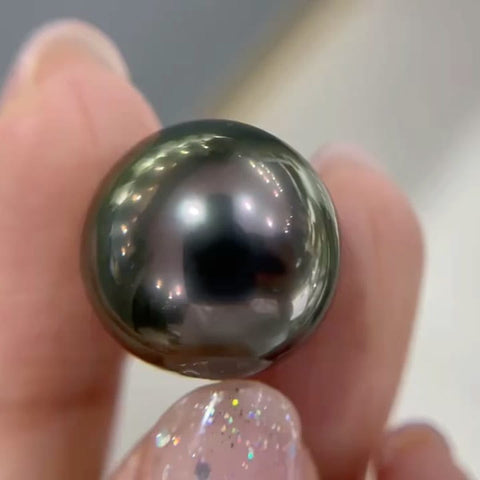
The quality of a pearl reflects the health of the water it grew in. Low-quality pearls — dull, thin-nacred, poorly formed — are often a sign of a stressed ecosystem. High-quality pearls are not.
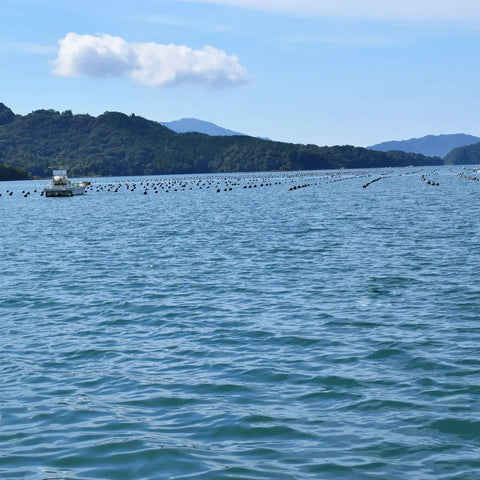
Pearls as a renewable resource
Unlike mining — which extracts and depletes — pearl farming is a cycle. The mollusk lives, produces a pearl, and the farm continues. Done responsibly, nothing is permanently removed from the ecosystem.
That said, “sustainable” is a word that gets used loosely. Not all pearl farming is equal. The question worth asking when buying pearls is the same one worth asking about any natural product: where did it come from, and how was it produced? Ethical sellers can answer that. When they can’t — or won’t — that’s worth noting.
Beyond pearl farms
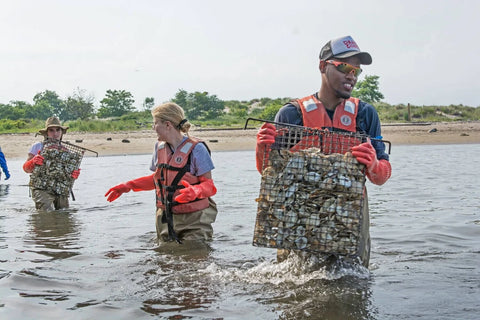
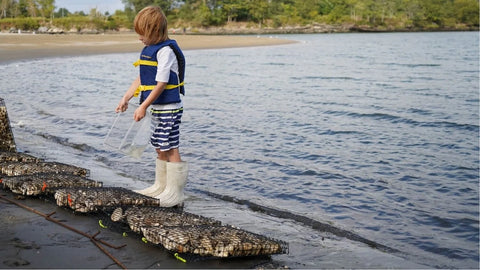
The broader story of mollusks and ocean health is worth knowing. Even oysters that produce no pearls contribute significantly to marine ecosystems — filtering water, building reef structure, supporting hundreds of species. Projects like The Billion Oyster Project are restoring oyster habitats in New York Harbor, protecting coastlines from erosion and storm damage while rebuilding biodiversity that was lost over centuries.
Pearl farming sits within this larger picture. It is not a perfect industry — no industry is — but it is one of the few in jewelry where the incentives of the producer and the health of the environment genuinely align. A farm that damages its water damages its own future.
If you want to understand what separates a seller who sources responsibly from one who doesn’t, here’s how to know if you can trust a pearl seller.